
German-language animation
Anime-Loads: animation from Germany, Austria and Switzerland, and where to watch it
From The Little Polar Bear, Laura's Star, The Elfkins and Tafiti to Tabaluga, Bibi Blocksberg and Pumuckl, from Lotte Reiniger's silhouettes and Oskar Fischinger's abstract films to the DEFA studio and today's short films. Search a title and press Watch now.
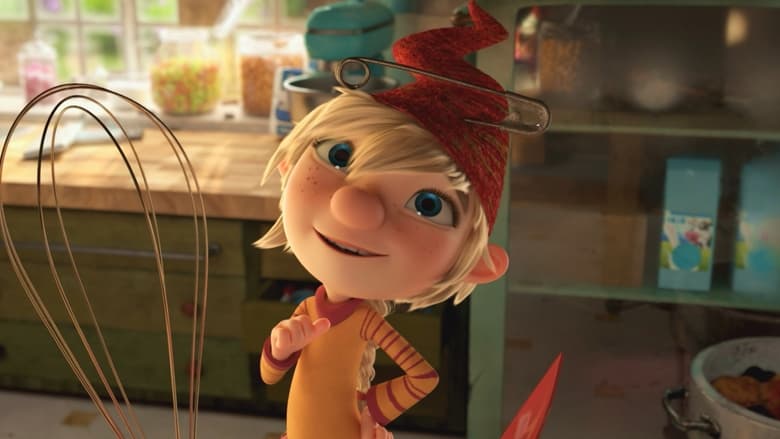 The Elfkins: Baking a Difference
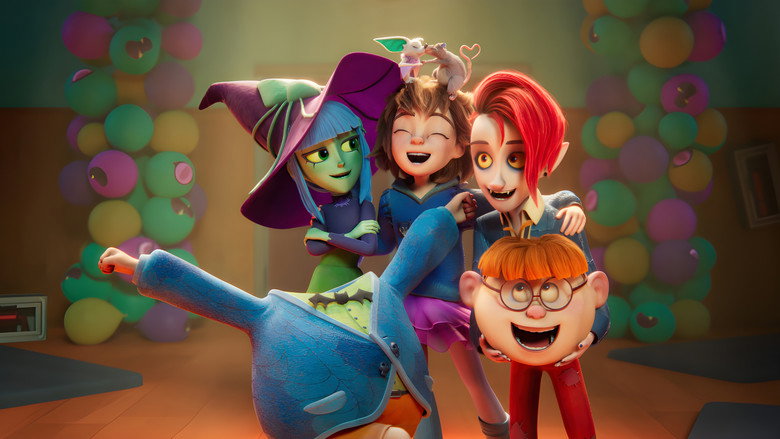 Monster Mia
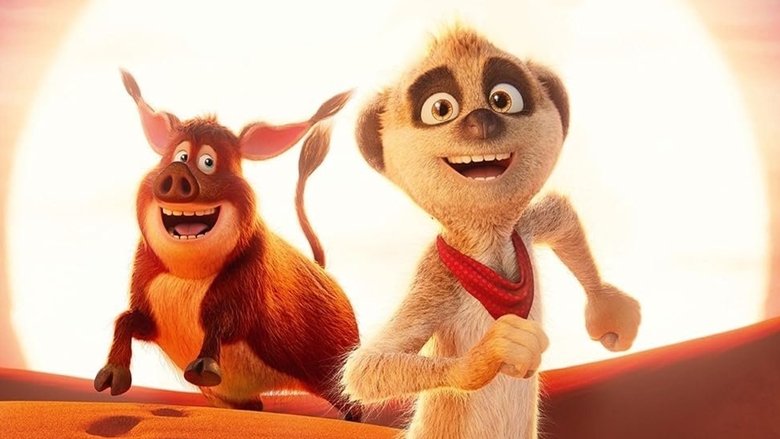 Tafiti: Across the Desert
New Films
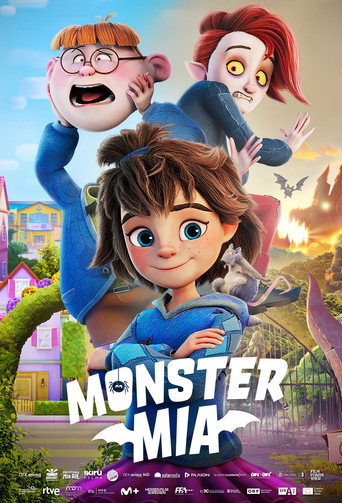 FilmMonster Mia12-year-old Mia and her scruffy pet rat Quentin are sent to the mysterious Rotwood Academy…
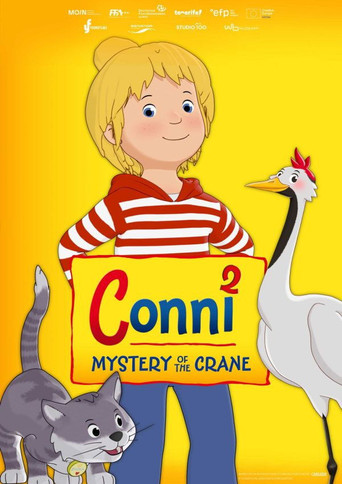 FilmConni and the Mystery of the CraneWhile her parents are traveling, Conni experiences an exciting adventure at home with cat …
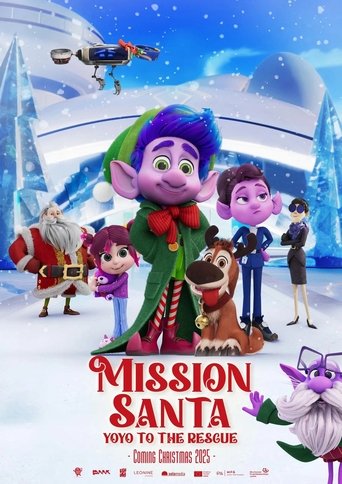 FilmMission Santa: Yoyo To The RescueAn underdog elf, driven by his unwavering passion for the holidays, becomes the North Pole…
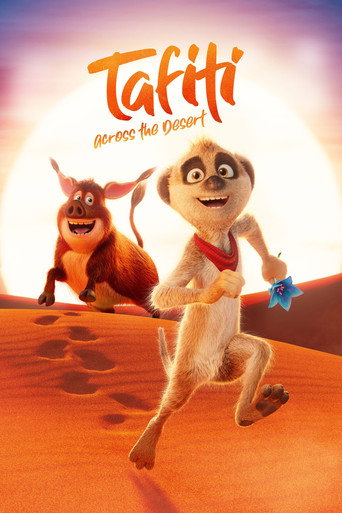 FilmTafiti: Across the DesertTafiti, a young meerkat, initially rejects friendship with Bristles, a bush pig. When his …
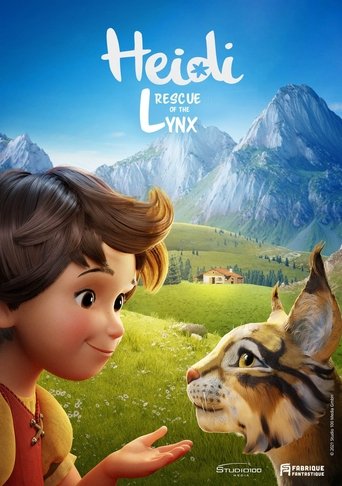 FilmHeidi: Rescue of the LynxWhen eight-year-old Heidi saves a lynx family and their home from a greedy businessman, sh…
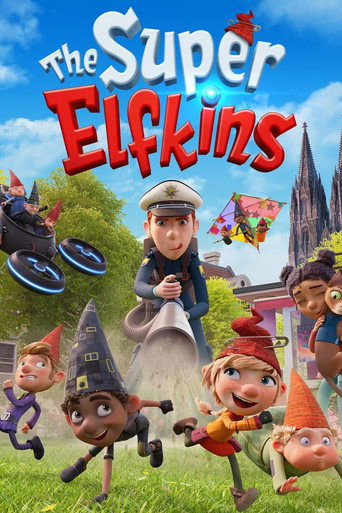 FilmThe Super ElfkinsHelvi's world is turned upside down when she discovers the existence of a technically adva…
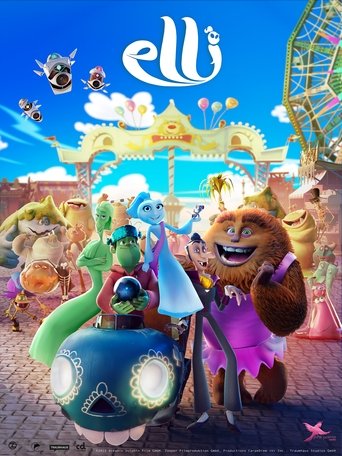 FilmElli and her Monster TeamWhen a homeless little ghost knocks on the door to the eccentric residents of a Ghost Trai…
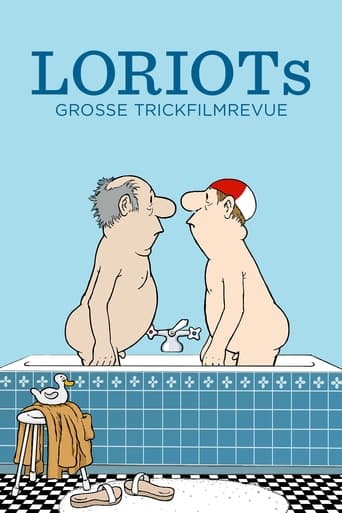 FilmLoriot's Great Cartoon RevueLoriot, whose real name was Bernhard-Viktor Christoph-Carl von Bülow, or Vicco von Bülow f…
New Series
 SeriesDie Sendung mit der MausThe children's show has been a fixed Sunday morning ritual in German living rooms since 19…
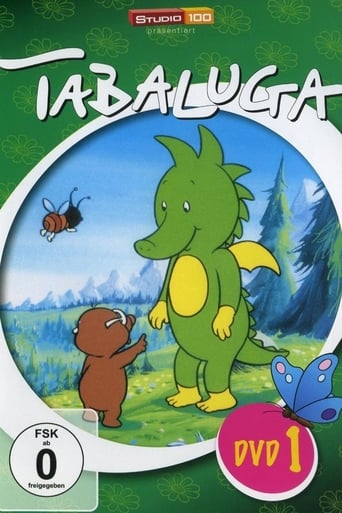 SeriesTabalugaFlying Bark Animation produced an animated cartoon series of Tabaluga. In this series, Tab…
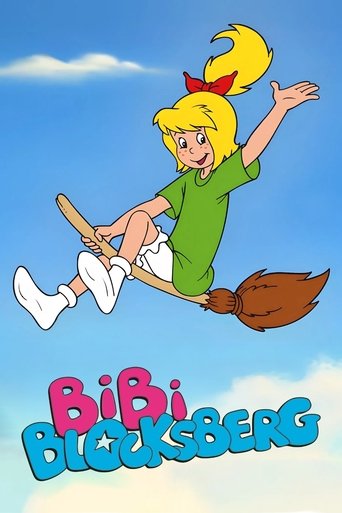 SeriesBibi BlocksbergBibi Blocksberg is a normal little girl - although she can do magic she still has a lot to…
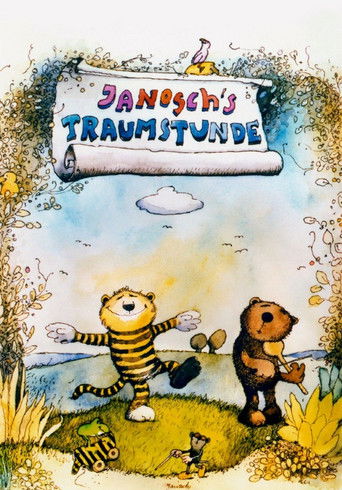 SeriesJanoschs TraumstundeJanoschs Traumstunde is an German animated children's television series that originally ra…
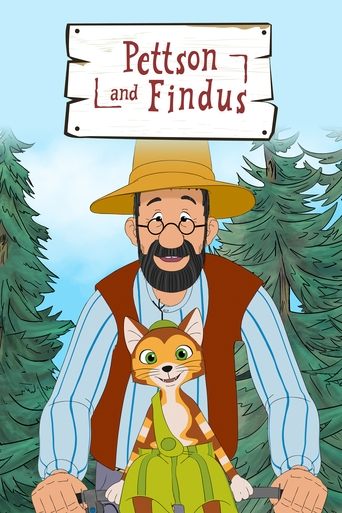 SeriesPettersson and FindusOld Petterson lives on the edge of a small village somewhere in Sweden. Together with his …
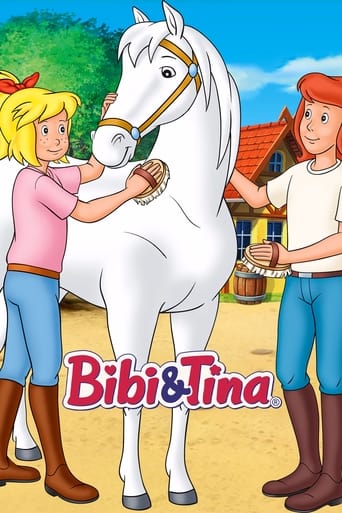 SeriesBibi and TinaThis animated series follows the adventures of Bibi and Tina, two teenage friends who love…
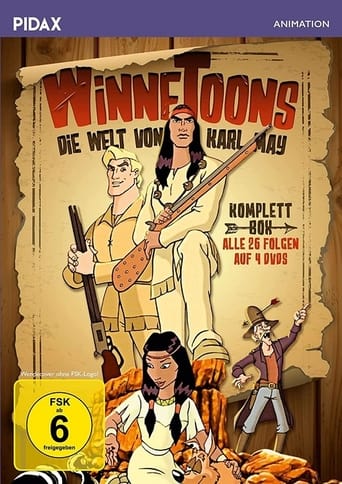 SeriesWinneToonsWinneToons is a German television series.…
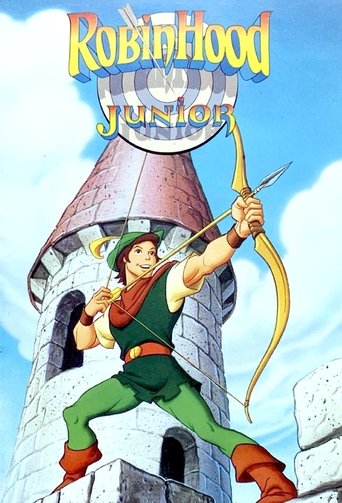 SeriesYoung Robin HoodYoung Robin Hood is an animated series produced by Cinar and Hanna-Barbera. The series tak…
New Releases
 Monster MiaFilm: 82 minStudio: ARX Anima2026-09-03
 Conni and the Mystery of the CraneFilm: 79 minStudio: Senator Film2026-05-07
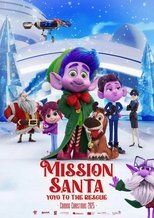 Mission Santa: Yoyo To The RescueFilm: 91 minStudio: M.A.R.K. 132025-11-06
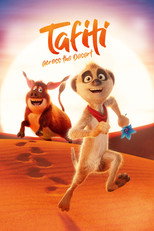 Tafiti: Across the DesertFilm: 82 minStudio: Little Dream Entertainment2025-09-04
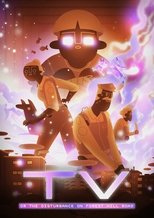 TV or The Disturbance on Forest Hill RoadFilm: 14 minStudio: marumaru GmbH2025-07-03
 Heidi: Rescue of the LynxFilm: 80 minStudio: Studio 100 Media2025-06-26
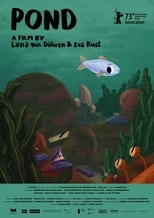 PondFilm: 9 minStudio: 2025-06-05
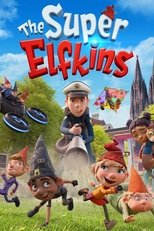 The Super ElfkinsFilm: 85 minStudio: Akkord Film2024-12-24
 Scent of Beetroot and the People Who Live ForeverFilm: 13 minStudio: DOKfront GbR Wittmoser u. Kim2024-12-22
 Sky like Silk. Full of OrangesFilm: 10 minStudio: 2024-10-30
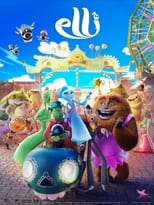 Elli and her Monster TeamFilm: 86 minStudio: Dreamin' Dolphin Film2024-06-27
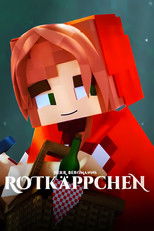 Herr Bergmann's Little Red Riding HoodFilm: 27 minStudio: ZDF2024-06-09
Classic characters
- SeriesDie Sendung mit der MausThe children's show has been a fixed Sunday morning ritual in German living rooms since 19…
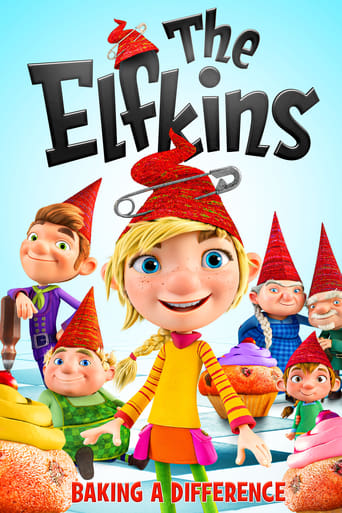 FilmThe Elfkins: Baking a DifferenceThe legendary Elfkins (Heinzelmännchen) of Cologne were gnomes secretly helping craftsmen …
- SeriesTabalugaFlying Bark Animation produced an animated cartoon series of Tabaluga. In this series, Tab…
- SeriesBibi BlocksbergBibi Blocksberg is a normal little girl - although she can do magic she still has a lot to…
- SeriesJanoschs TraumstundeJanoschs Traumstunde is an German animated children's television series that originally ra…
- SeriesPettersson and FindusOld Petterson lives on the edge of a small village somewhere in Sweden. Together with his …
- SeriesBibi and TinaThis animated series follows the adventures of Bibi and Tina, two teenage friends who love…
- SeriesWinneToonsWinneToons is a German television series.…
Pioneers
 FilmThumbelinaHans Christian Andersen’s Thumbelina told the tale of a tiny girl grown from seed to be a …
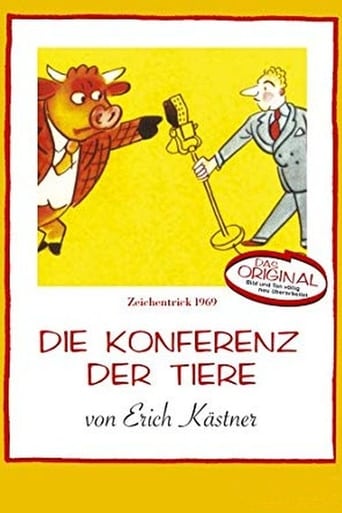 FilmAnimals UnitedOne day the animals become too colorful: war is constantly going on among the people. When…
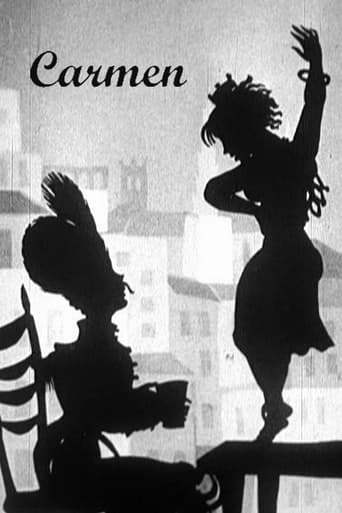 FilmCarmenSilhouette film. Based on Bizet’s opera “Carmen”.…
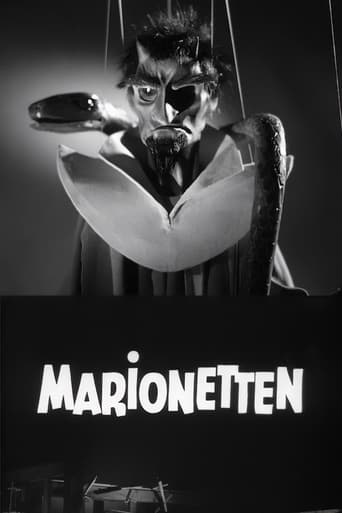 FilmMarionettenA minor character from a collection of marionettes takes viewers through a small world the…
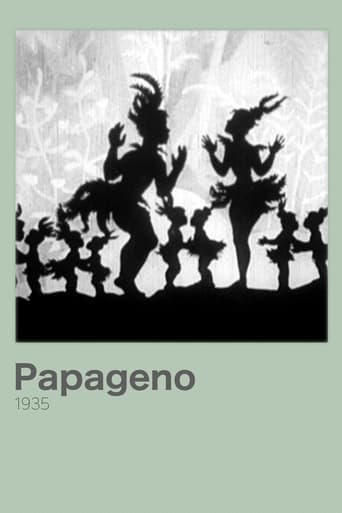 FilmPapagenoFilm shows the story of Papageno (the one from Mozart's opera "The Magic Flute"), who want…
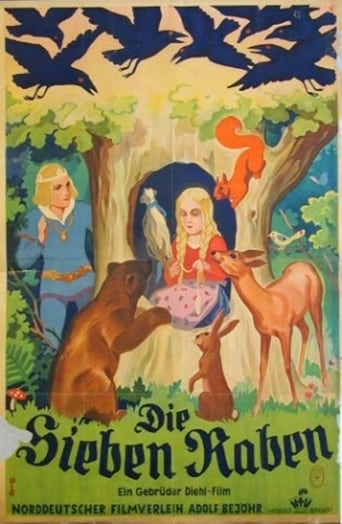 FilmThe Seven RavensWhen a young girl finds out that, due to her existence, her seven brothers are struck by a…
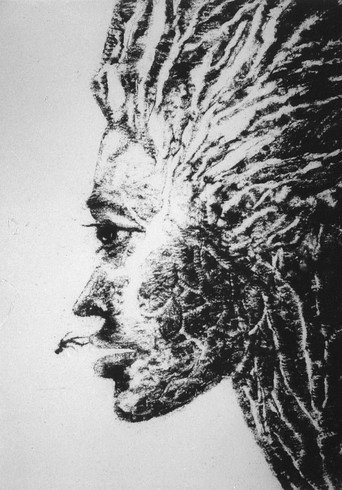 FilmFantasmaticSurreal animation with sand and metal slivers by Ernest Ansorge, Gisèle Ansorge…
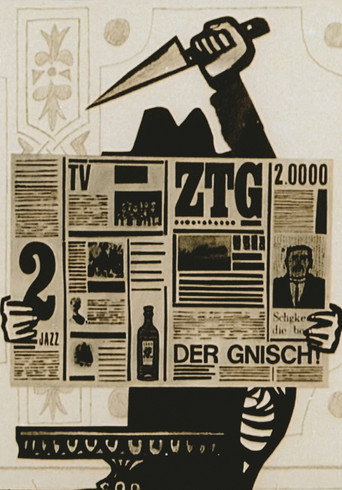 FilmRhinocerosBased on Eugene Ionesco’s play, this is an animated film warning that by conforming to pat…
DEFA
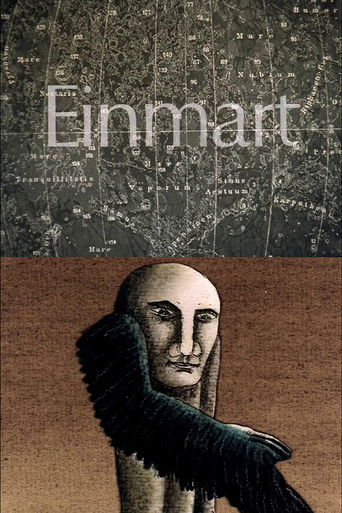 FilmEinmartThe very first images in the film set unprecedented standards in East German animated film…
 FilmThe DiscoveryA little bumblebee is tired of her daily routine and the other boring bumblebees. She flie…
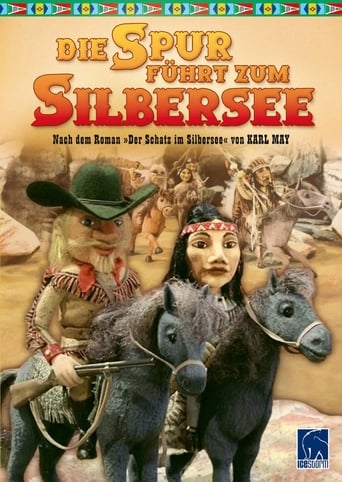 FilmThe Trace Leads to the Silver LakeCowboys Hobble Frank and Tante Droll are instructed to deliver the legacy of chief Weiser …
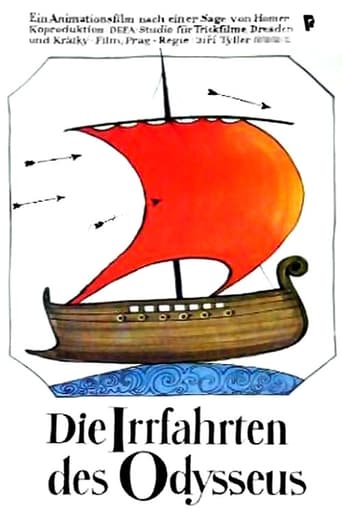 FilmDie Irrfahrten des OdysseusOn a lonely island, where Odysseus has to serve the nymph Calypso, he remembers his great …
 FilmThe Flying WindmillOlli, the main character in the movie, got a very bad grade and is terribly annoyed. She r…
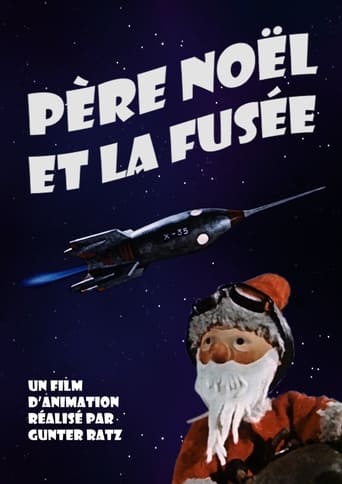 FilmSharp Left Beyond the MoonThe residents in heaven are worried because Santa does not know what to do. All of the chi…
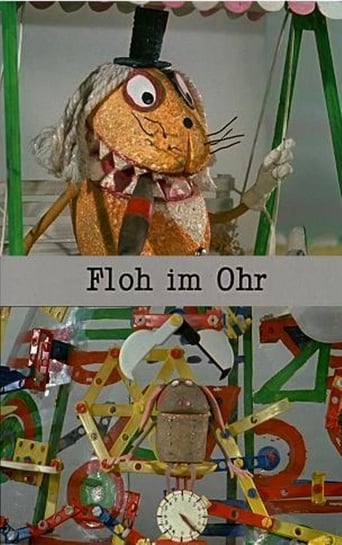 FilmA Flea in the EarThe lion, wolf and fox use modern technologies for producing their food instead of traditi…
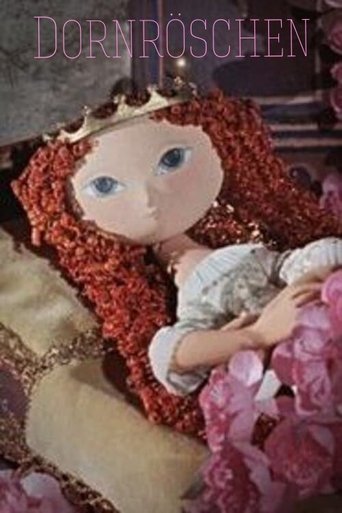 FilmDornröschenAfter a long wait, a king and queen have a daughter. As there are not enough golden plates…
Short films
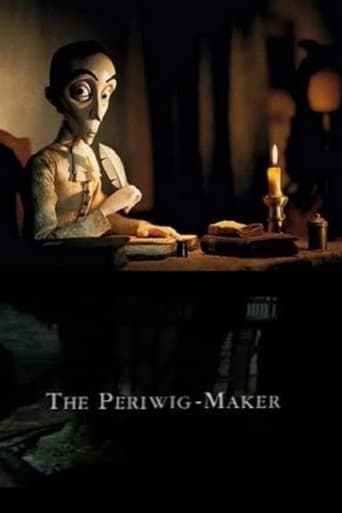 FilmThe Periwig-MakerIn this Oscar-nominated short, a man seals himself off in 17th century plague-infested Lon…
 FilmRocket RoachesWhen the diligent cockroaches build a rocket to fly to the moon, they accidentally wake up…
 FilmFlamingo PrideFrustrated at being the only straight flamingo in a gay flock, our hero falls in love with…
 FilmBat TimeWhen night dawns on the farm a little bat wakes up. The little bat wants somebody to keep …
- FilmEinmartThe very first images in the film set unprecedented standards in East German animated film…
 FilmPondA fish gets lost in a tidal pool and must win over the sea creatures that dwell there. A f…
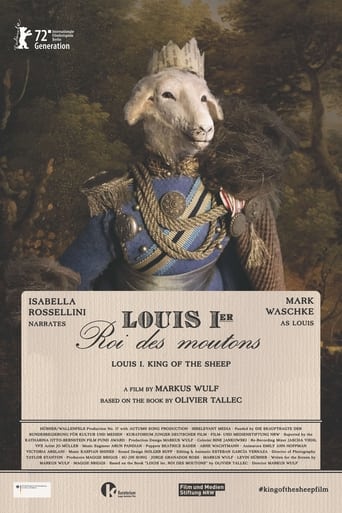 FilmLouis I., King of the SheepWhen a crown rolled in front of his hooves, Louis, a sheep among other sheep, grabs it, pu…
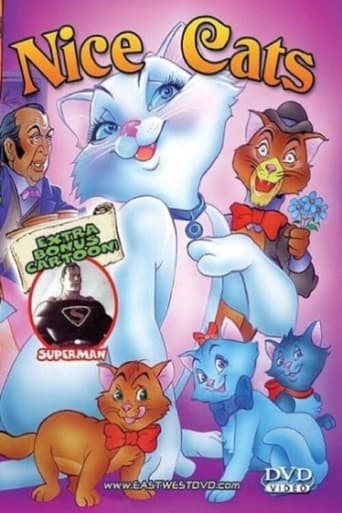 FilmNice CatsThe vacation period has started. Everyone tries to get out of the stuffy city, including M…
App, domains and help
- How to watch with Anime-LoadsFrom the search field to the screen.
- A short history of German animationFrom silhouettes to family features.
- Family films on Anime-LoadsFeature-length adventures for children.
- Classic charactersTabaluga, Bibi Blocksberg, Pumuckl and friends.
- The pioneersLotte Reiniger, Oskar Fischinger and the Diehl brothers.
- Languages and dubsGerman and English versions.
- The official Anime-Loads siteRecognising Anime-Loads.
- Is Anime-Loads working?A quick check and easy fixes.
- Where Anime-Loads titles streamThe official services behind the guide.
- Apps and devicesPhones, tablets, laptops and TVs.
- Free German animationLegal ways to watch at zero cost.
- Streaming safelyA short checklist.
- Finding a titleSearch in English or German.
- My ListSaving titles for later.
- DEFA on Anime-LoadsThe animation studio of East Germany.
Anime-Loads: animation from Germany, Austria and Switzerland, from The Little Polar Bear, Laura's Star and Tabaluga to Lotte Reiniger's silhouettes, Pumuckl and The Elfkins
The German-speaking countries have a long and surprising history in animation. A hundred years ago, Berlin was one of the most inventive centres of the art, where Lotte Reiniger cut her silhouette films and Oskar Fischinger set colours dancing to music. Today, studios in Munich, Berlin, Hamburg, Cologne, Ludwigsburg, Vienna and Zurich make family features that travel all over the world, and generations of children have grown up with characters such as the Little Polar Bear, Tabaluga, Pumuckl and the Mouse. Anime-Loads is a guide to this Zeichentrick tradition, the German word for cartoons.
Here you will find family features from The Little Polar Bear and Laura's Star to The Elfkins, Raven the Little Rascal, Coconut the Little Dragon and Tafiti, television favourites such as Tabaluga, Bibi Blocksberg, Janosch's Dream Hour and The Show with the Mouse, the silhouette films of Lotte Reiniger, the abstract films of Oskar Fischinger, the puppet fairy tales of the Diehl brothers, the films of the East German DEFA studio and a cabinet of prize-winning short films. Every title has its own page with the story, the studio, the director, the voice cast and, for series, every episode with its original air date, plus a Watch now button that opens it on the official services in your country.
The collection holds more than one hundred and eighty titles from the 1930s to today, each chosen by hand. This page explains how Anime-Loads is built, what each part of the design is for and what waits on each shelf. It also tells the story of German-language animation, introduces the studios, artists and characters you will meet and suggests routes through the collection for families, film lovers and anyone learning German.
A tradition worth discovering
German-language animation is often overlooked abroad, yet it has given the world some of the art's most important innovations and many of its best-loved children's characters. The silhouette film, the abstract music film and the stop-motion puppet feature all found early masters in Germany. Later, German studios became famous for gentle, beautifully crafted family films based on picture books, and German television made children's programmes that combined entertainment with learning in a way that has been imitated around the world.
The tradition is also wonderfully varied. It includes the elegant fairy tales of the 1930s, the playful films of East Germany's DEFA studio, the Bavarian humour of Pumuckl, the Swiss mountains of Heidi, the Viennese art of the Austrian independents and the modern computer-animated adventures of today's studios. Each shelf on Anime-Loads opens a different corner of that world.
Many of these films and series are based on the beloved children's books of German-speaking authors, such as Janosch, Hans de Beer, Klaus Baumgart, Ingo Siegner and Nele Moost, and they share those books' warmth, humour and gentle wisdom. Watching them is also a lovely way to discover the stories that German-speaking children grow up with.
The Anime-Loads design
Anime-Loads follows the look of the archived anime-loads.org home page of January 2026, a classic Bootstrap website with a clear, friendly structure. At the top sits a dark navy bar with the wordmark in thin white capitals, a wide white search field with a blue All button and a My List link at the right. Below it, a grey banner carries the main links in white, and the white content panels rise up over its lower edge onto a light grey page.
The first panel welcomes visitors with a large blue heading in capitals beside a blue vertical bar, just like the original, with a short introduction and a few featured pictures. Then come the New films and New series panels, each headed by a red New label. Their cards have a picture with a small grey badge in the corner, a blue title, a row of small coral tags for the kind, year and length, and the first words of the story, with a blue Show More button below. The New releases panel lists the newest titles in two columns, each with a thumbnail, coral tags, a line for the running time or number of episodes, a line for the studio and the release date.
The shelves follow in the same white panels, along with the help pages and this guide. The colours come straight from the reference stylesheet: navy for the bar, Bootstrap blue for links and buttons, red for the New labels and coral for the tags, with Open Sans throughout.
How to use Anime-Loads
The search field in the top bar is the quickest way in. It understands English and German titles, so you can type The Little Polar Bear or Der kleine Eisbär and land on the same page. For series, you can add a season and an episode, as in Tabaluga S2E3, to go straight to a single episode. The links in the grey banner lead to all titles, films, series and classics, and the A to Z page lists everything.
Open any title and you will find its German and English names, the year, the length of the film or the number of episodes, the studio, the director and the voices. Series pages add a full episode list, season by season, with the date each episode was first shown. The Watch now button at the top asks which country you are in, then hands over to JustWatch, which shows every official way to watch there, whether by subscription, rental, purchase or free with adverts. The Add to My List button keeps the title in your browser for later.
Lotte Reiniger and the pioneers
The Pioneers shelf begins with one of the great artists of the twentieth century. Lotte Reiniger cut her figures from black card and thin sheets of lead, joined their limbs with fine wire and animated them on a glass table lit from below, so that they appear as delicate silhouettes against glowing backgrounds. Her feature The Adventures of Prince Achmed, made in Berlin in the 1920s, is the oldest surviving animated feature film, and her short films are treasures of grace and humour.
The collection holds several of them. Harlequin follows the famous character of the commedia dell'arte, Carmen retells Bizet's opera with a heroine who outwits the bull, and Papageno follows the bird-catcher from Mozart's The Magic Flute. Galathea tells the myth of the sculptor whose statue comes to life, The Stolen Heart follows a miser who steals the musical instruments of a whole village, and Puss in Boots retells the fairy tale. Reiniger later worked in Britain, where she made Thumbelina and many other fairy-tale films.
Oskar Fischinger took animation in a completely different direction. A painter and engineer, he made abstract films in which shapes, lines and colours move in perfect time with music, among the first films of their kind. Circles, made as an advertisement, is one of the first colour films made in Germany, and Composition in Blue sets blue cubes and cylinders dancing to Otto Nicolai's music. Fischinger later moved to Hollywood, where his ideas influenced the abstract sequences of Disney's Fantasia.
The brothers Ferdinand, Hermann and Paul Diehl made puppet films in Bavaria, and their feature The Seven Ravens, after the Grimm fairy tale, is one of the first German puppet features. The Diehl brothers later created Mecki, a cheerful hedgehog who became a mascot of a famous German magazine.
DEFA and East German animation
The DEFA shelf follows the animation studio of the former East Germany. The DEFA studio for animated films, founded in Dresden in 1955, made puppet films, drawn films, cut-out films and silhouette films for cinemas and television until 1992, and it employed many talented artists who worked in a wide range of styles.
The studio's films for children are full of charm. Alarm at the Puppet Theater brings toys to life, Dornröschen retells the Sleeping Beauty story, and Vom faulen Töpfer und dem fleißigen Wäscher is a fable about a lazy potter and a hard-working washerman. Günter Rätz, one of the studio's leading puppet animators, made Sharp Left Beyond the Moon, Peter and the Wolf, set to Prokofiev's music, and the features The Flying Windmill, about a girl who escapes a bad school report on a flying windmill, and The Trace Leads to the Silver Lake, a puppet western after Karl May. The Little Witch and Die Irrfahrten des Odysseus, a retelling of the Odyssey, are other favourites.
The studio also made bold art films. Lutz Dammbeck's Einmart of 1981, a mixture of drawn animation and real images, broke new ground in East German animation, and his The Discovery is another experiment. A Flea in the Ear is a lively comedy short. East German children also grew up with the Sandman, the little figure who wishes them good night on television every evening since 1959, and his adventures continue in the feature The Sandman and the Lost Sand of Dreams.
The fall of the Berlin Wall is itself the subject of a modern film. Fritzi: A Revolutionary Tale follows a twelve-year-old girl in Leipzig in the autumn of 1989, when the peaceful protests of the Monday demonstrations changed history, told with sensitivity for young viewers. The comic heroes of The Abrafaxe – Under the Black Flag also come from East Germany, where their adventures filled the pages of the much-loved magazine Mosaik.
Television favourites
German television has a proud tradition of children's programmes, and the Series shelf gathers some of the best. Die Sendung mit der Maus, first broadcast in 1971, is one of the most famous children's programmes in the German-speaking world: its short films explain how everyday things work, and its animated orange mouse with brown ears, joined by a little blue elephant and a yellow duck, links the segments with wordless comedy. Generations of children have learned how chocolate is made or how a bridge is built from the Mouse.
Tabaluga, the little green dragon created by the singer Peter Maffay, defends the land of Greenland from the icy tyrant Arktos, and the feature Ice Princess Lily continues his story on the big screen. Bibi Blocksberg, the young witch who rides her broom and says her famous magic spell, began as a series of audio plays and became a series and films, and Bibi and Tina follows her riding adventures with her best friend.
Janoschs Traumstunde brings the picture books of Janosch, with Little Tiger, Little Bear and the striped tiger duck, to television in gentle, beautifully drawn stories. Nick Knatterton parodies detective stories with a square-jawed sleuth from a classic comic, Ottifants brings the elephants of the comedian Otto Waalkes to life, and Pettersson and Findus adapts Sven Nordqvist's books. The shelf also holds Little Amadeus – Die Abenteuer des jungen Mozart, about the young Mozart, WinneToons, a comic version of Karl May's Winnetou stories, Loggerheads – Björn und die wilden Wikinger and Dragon's Rock.
Pumuckl, Käpt'n Blaubär and other classic characters
The Classic characters shelf gathers the heroes of German-language childhood. Pumuckl, created by the writer Ellis Kaut, is a mischievous little kobold with red hair who becomes visible when he gets stuck to a pot of glue in the workshop of the Munich carpenter Master Eder. The television series Master Eder and his Pumuckl of 1982 combined a live-action Munich workshop with the animated Pumuckl, and the films Pumuckl und der Blaue Klabauter and Pumuckl und sein Zirkusabenteuer continued his adventures.
Käpt’n Blaubär – Der Film brings the blue bear captain of the cartoonist Walter Moers, known from the Mouse programme, to the cinema, telling tall tales to his three grandchildren. Das kleine Gespenst adapts Otfried Preussler's story of a little ghost who longs to see the world by day, and the Hui Buh films follow a clumsy castle ghost. Loriot's Great Cartoon Revue gathers the animated sketches of Loriot, the great German humorist, whose dry observations of everyday life are loved by every generation.
Family films
The Family films shelf gathers the feature-length adventures that German studios have made since the 1980s. Many are based on picture books, and they share the gentle humour and warm hearts of their sources.
The Little Polar Bear of 2001, from Rothkirch Cartoon Film in Berlin and based on the books of the Dutch author Hans de Beer, follows Lars, a young polar bear who befriends a seal, a bird and a little tiger, and it was followed by The Little Polar Bear 2: The Mysterious Island and several television films. Laura's Star, from the same studio and based on the books of Klaus Baumgart, follows a girl who finds a fallen star and nurses it back to health, and its sequel Laura's Star and the Mysterious Dragon Nian takes her to China.
The director Ute von Münchow-Pohl has made many of the most popular recent films: Raven the Little Rascal and its sequels, after Nele Moost's books about a cheeky young raven, Rabbit School: Guardians of the Golden Egg, based on a classic picture book of 1924, and The Elfkins: Baking a Difference, about the legendary little helpers of Cologne, who once worked secretly at night for the city's craftsmen. Coconut the Dragon and Coconut The Little Dragon: Into The Jungle adapt Ingo Siegner's books about a small dragon who loves coconuts, and Knight Rusty follows a knight in a world made entirely of scrap metal.
Other favourites include The Trip to Panama, after Janosch's most famous book, in which Little Tiger and Little Bear set off for the land of their dreams, Moon Man, after Tomi Ungerer's story of the man in the moon who comes down to Earth, Jasper: Journey to the End of the World, about a curious young penguin, Impy's Wonderland, about a baby dinosaur, Trenk, the Little Knight, Capt'n Sharky, Princess Lillifee and the Little Unicorn and the Conni films, based on a beloved series of picture books. Recent films such as Tafiti: Across the Desert, about a young meerkat and his bush-pig friend, Monster Mia and Heidi: Rescue of the Lynx show the variety of today's studios.
Older films include Animals United of 1969, after Erich Kästner's story of a conference of animals who decide to make the world's leaders keep the peace, Stowaways on the Ark, about a little woodworm on Noah's Ark, Peter in Magicland, after a classic children's book about a journey to the Moon, The Magic Voyage, Jester Till, about the legendary prankster Till Eulenspiegel, and Asterix Conquers America, a German production in which Asterix and Obelix cross the ocean to rescue their druid.
Short films
The Short films shelf gathers the prize-winning shorts made by German, Austrian and Swiss animators since the 1970s. Many come from the famous film schools of Babelsberg near Berlin, Ludwigsburg near Stuttgart, Kassel, Cologne and Munich, where young animators make their first films before going on to features, series and festival careers.
The Periwig-Maker, Steffen Schäffler's Oscar-nominated puppet film, follows a wigmaker who shuts himself away from the plague in seventeenth-century London. Oh Sheep! and Lambs, by Gottfried Mentor, are witty comedies about sheep, The Propellerbird follows three sparrows whose song is interrupted by a strange visitor, and Our Wonderful Nature, by Tomer Eshed, is a hilarious parody of nature documentaries. Laika & Nemo follows Nemo, an outsider who always wears a diving suit, and his meeting with Laika, who wears a space helmet, a gentle story about friendship.
Many shorts are made for children. Bat Time follows a little bat looking for a friend, Theodor follows a vampire who always loses track of time, The Zillas Have a Picnic follows a family of giant lizards, and Tiger imagines the tiger on a dinner plate coming to life. Duck, Death and the Tulip, after Wolf Erlbruch's famous picture book, is a tender and wise film about friendship and saying goodbye, and What Happens In Your Brain If You See a German Word Like...? is a playful look at the famously long words of the German language.
Other shorts explore abstract images and new techniques. Thorsten Fleisch's Gestalt and Picture Particles create images from mathematics and film itself, Patch builds pictures from tiny tiles, and 100 Jahre Kino celebrates a century of cinema in two minutes. These films continue the experimental tradition begun by Oskar Fischinger almost a century ago.
Austria and Switzerland
Austrian and Swiss animators bring their own voices to the collection. From Switzerland come Lena von Döhren's charming bird films The Little Bird and the Leaf and The Little Bird and the Bees, Claudius Gentinetta's comic The Cable Car, in which an old man's ride up the mountain goes hilariously wrong, and Nils Hedinger's Kuap, about a tadpole who is left behind when his brothers and sisters become frogs. Switzerland also gave the world Heidi, whose story appears in Heidi of 2005 and the recent Heidi: Rescue of the Lynx.
From Austria come experimental and philosophical shorts such as Applesauce, in which animals in a cave discuss the big questions of life, Aquamarine and The Wild-Tempered Clavier, a painted film inspired by the music of Bach. Austrian studios also co-produce many family films with their German neighbours.
Through the eras
The Before 1980 shelf gathers the pioneers and the early post-war years: Lotte Reiniger's silhouettes, Oskar Fischinger's abstract films, the Diehl brothers' fairy tales, the first DEFA films, Animals United and the beginnings of children's television. These films show how inventive German-language animation was from its earliest days.
The 1980 to 1999 shelf covers the years of Pumuckl and Tabaluga, the last DEFA features, The Fearless Four and Käpt'n Blaubär, and the first television series of the private channels. The Since 2000 shelf holds the modern family features, from The Little Polar Bear and Laura's Star to The Elfkins and Tafiti, along with the new generation of short films. The Top rated shelf gathers the titles viewers rate most highly.
Routes through the collection
For young children, start with the picture-book films: The Little Polar Bear, Laura's Star, Raven the Little Rascal and The Trip to Panama are gentle and funny, and the episodes of Janoschs Traumstunde and Die Sendung mit der Maus are perfect before bedtime. For older children, try The Elfkins: Baking a Difference, Knight Rusty, Moon Man and the Pumuckl films.
For film lovers, follow the history of the art from Lotte Reiniger's silhouettes through Oskar Fischinger's abstract films to the DEFA studio and the modern short films. For a family film night, choose Animals United, Asterix Conquers America or Tafiti: Across the Desert, and for an evening of history, Fritzi: A Revolutionary Tale is a moving introduction to the fall of the Berlin Wall.
Learning German with animation
Animation is one of the friendliest ways to learn a language, and many learners of German use children's films and series to practise. The stories are simple and clear, the speech is often slow and well pronounced, and the pictures help to explain what is happening. Die Sendung mit der Maus is especially good for learners, because its short films explain everyday things in simple, careful German.
A good method is to watch a favourite film first with subtitles in your own language, then again with German subtitles, and finally with German audio alone. Picture-book films such as The Little Polar Bear and Laura's Star work well for beginners, while the Pumuckl and Käpt'n Blaubär films, with their jokes and wordplay, are a fun challenge for more advanced learners.
Watching today
Many German-language series and films are available on official services in Germany, Austria and Switzerland, and the public broadcasters of these countries stream many children's programmes free of charge in their online media libraries. Family features are widely available to rent and buy, and many have English dubs for international audiences. The Watch now button on each title page shows where a title is available in your country, with labels for subscription, rental, purchase and free viewing.
The rights to German children's films are often held separately in each country, and broadcasters' media libraries usually serve viewers in their home country. JustWatch keeps track of these differences, so the Watch now button always shows the options that apply where you are.
Languages and titles
Titles on Anime-Loads are listed under their best-known English names, with the original German title on each page. Many characters have different names in English: Der kleine Eisbär is the Little Polar Bear, Lauras Stern is Laura's Star, Der kleine Rabe Socke is Raven the Little Rascal, Der kleine Drache Kokosnuss is Coconut the Little Dragon and Die Heinzels are the Elfkins. The search box understands every version, so you can type whichever name you know. The Languages and dubs guide explains how to switch languages in the player.
How the collection is chosen
Every title on Anime-Loads was chosen by hand. The editors began with German-language animation in The Movie Database, then read the story of each candidate. Adult comedies, adult web series, war documentaries and films made by the wartime studios of the 1940s were set aside, so the collection stays focused on family films, classics, series and short films suitable for a wide audience. Posters, stories and production details come from The Movie Database, and the collection is refreshed as new titles appear. The About page explains more.
The books behind the films
Much of German-language animation begins with a book, and many families know the stories long before they see the films. Janosch, one of Germany's most popular authors and illustrators, created Little Tiger, Little Bear and the striped tiger duck, and his book about their journey to Panama has sold millions of copies. Hans de Beer created the Little Polar Bear, Klaus Baumgart created Laura and her star, Nele Moost created the cheeky raven, and Ingo Siegner created Coconut the Little Dragon.
Older classics inspire films too. Otfried Preussler, the author of The Little Witch and The Little Ghost, is one of the great German children's writers, Erich Kästner wrote the story behind Animals United, and Ellis Kaut created Pumuckl. Swiss literature gave the world Heidi, written by Johanna Spyri in the 1880s, and Austrian and German fairy tales collected by the Brothers Grimm inspire many films, from The Seven Ravens to The Bremen Town Musicians.
Reading the books together with the films is a lovely way to share stories with children, and many families keep both on the same shelf.
Studios to know
Several studios stand behind the family features. Rothkirch Cartoon Film in Berlin made The Little Polar Bear and Laura's Star, Akkord Film made The Elfkins and the Raven the Little Rascal films, and Ambient Entertainment in Hanover made Impy's Wonderland. Caligari Film made the Knight Rusty and Coconut films, and Studio 100 Media, with offices in Munich, produces Heidi and many other series for international audiences.
In the past, the DEFA studio in Dresden made the animation of East Germany, and the film schools of Babelsberg, Ludwigsburg and Kassel continue to train new generations of animators. Public broadcasters such as ZDF, WDR and MDR have co-produced many of the best-known series and films, from Die Sendung mit der Maus to Tabaluga and The Sandman. The title pages list the studio of every title, so you can follow a favourite through the collection.
Music in German animation
Music runs through German-language animation. Lotte Reiniger's films were set to music by Mozart and Bizet, Oskar Fischinger's abstract films dance to classical and popular music, and the DEFA studio adapted Prokofiev's Peter and the Wolf. Tabaluga was created by the singer Peter Maffay as a rock opera for children before becoming a television series, and many family films have songs that children learn by heart.
Little Amadeus, the series about the young Mozart, was made to encourage children to play music, and The Fearless Four retells the Bremen Town Musicians as a pop musical. Whether it is a lullaby, a rock song or a symphony, music helps to make these stories unforgettable.
Fairy tales and legends
Germany is the home of the Brothers Grimm, and their fairy tales have inspired animators for a hundred years. The Seven Ravens of 1937 tells of a girl who sets out to save her seven brothers, transformed into ravens by a careless curse, and DEFA's Dornröschen retells the story of Sleeping Beauty. The Fearless Four turns the Bremen Town Musicians into four aging animals who become pop stars, and Lotte Reiniger's Puss in Boots follows the clever cat in silhouette.
German legends are here too. The Elfkins, the little helpers of Cologne, come from a legend about gnomes who once did the city's work at night until a curious tailor's wife scared them away. Till Eulenspiegel, the prankster of Jester Till, is a figure of medieval folk tales, and the kobold Pumuckl and the ghost Hui Buh belong to the long tradition of household spirits in German stories. These films are a lovely way to share old stories with a new generation.
Holidays and seasons
Many German family films are tied to the seasons. At Easter, Rabbit School: Guardians of the Golden Egg and Rabbit Academy: Mission Eggpossible follow the young rabbits who learn to become Easter bunnies at an old-fashioned school. At Christmas, Pettson and Findus: The Best Christmas Ever and Mission Santa: Yoyo To The Rescue bring festive cheer, and in autumn, Bibi Blocksberg's Halloween special brings witchy fun. All year round, Trick or Treaters, Tomi Ungerer's story known in German as The Three Robbers, follows three fearsome robbers who are charmed by a young orphan girl.
Winter belongs to the Little Polar Bear and the Sandman, whose evening greeting has accompanied children to bed for decades, and summer to the adventures of Tafiti in the desert, Coconut in the jungle and Capt'n Sharky on the high seas. Choosing a film to match the season is a small tradition many families enjoy.
Animal heroes
Animals are the stars of many German family films. There is a polar bear in The Little Polar Bear, a raven in Raven the Little Rascal, a meerkat and a bush pig in Tafiti, a small dragon in Coconut, a whole conference of animals in Animals United and a woodworm in Stowaways on the Ark. Short films add sheep, bats, birds, lizards, tadpoles and a very confused water shrew.
These animal heroes often carry gentle lessons about friendship, courage and accepting others, and many films are set in beautiful natural landscapes, from the Arctic ice of the polar bear films to the African savanna of Tafiti. They are ideal for young children, who love to recognise the animals and their friends from the picture books.
German animation for families
Most of the collection was made for children and families. The family films and series are gentle, funny and full of heart, and they are a wonderful way for young children to enjoy stories in German or in their own language. Many films run for less than ninety minutes, and the series episodes are often short enough for a quick evening treat.
A few short films and older titles were made for adults and older children, exploring history, art and the human condition. The title pages give the running time and the story, and the official services show an age rating for each title in your country, so you can choose what suits your family.
Children's television in German
Children's television plays a special role in German-speaking countries. The public broadcasters ARD and ZDF run KiKA, an advertising-free children's channel, and Austria's ORF and Switzerland's SRF have their own children's programmes. Many of the series on Anime-Loads were made for these channels, and they share a commitment to stories that are entertaining, gentle and thoughtful.
Some programmes have become part of everyday life. Die Sendung mit der Maus has been broadcast on Sunday mornings for more than fifty years, and many adults still watch it with their children. The Sandman, created in East Germany and still broadcast today, wishes children good night every evening with a short story. These programmes show how television can become a shared tradition across generations.
The picture-book style
Many German family films have a recognisable style: soft colours, rounded characters and backgrounds that look like watercolour paintings, often closely based on the illustrations of the original picture books. The Little Polar Bear and Laura's Star, for example, keep the gentle look of their books while adding movement and music, and Janosch's Dream Hour reproduces the author's own loose, colourful drawings.
This style suits young children perfectly, with clear shapes and calm pacing that make the stories easy to follow. At the same time, recent films such as The Elfkins and Tafiti use computer animation with great charm, and the short films of the film schools explore every technique imaginable, from puppets and paper cut-outs to abstract computer images.
Where German animators learn
German-language animation is known for its excellent schools. The Filmakademie Baden-Württemberg in Ludwigsburg, home of the Institute of Animation, has trained many of Europe's best-known animators, and its students have won prizes around the world. The Film University Babelsberg Konrad Wolf near Berlin, the art academy in Kassel, the film school in Cologne and the academies of Munich, Hamburg and Vienna all have strong animation programmes, and Swiss students train in Lucerne.
Many of the short films in the collection are student films, made as graduation projects, and they often show remarkable talent and invention. Watching them is a chance to discover the directors who may make the family features of tomorrow.
Tips for a film afternoon
A German film afternoon is easy to plan. Begin with a short film or an episode of a series, such as a Janosch story or a short film by Lena von Döhren, then move on to a feature. For young children, a picture-book film such as The Little Polar Bear or Raven the Little Rascal is ideal, while older children might enjoy The Elfkins or Knight Rusty.
If you are learning German, choose a film you already know in your own language and watch it in German with subtitles. Afterwards, the original picture book makes a lovely companion for reading together. Save the films you enjoy in My List, and the next film afternoon is ready to go.
What Anime-Loads offers
German-language animation is spread across broadcasters' media libraries, streaming services and shops, and many titles are known by different names in different countries. Anime-Loads gathers them in one place, with English and German titles, short summaries, the studio and director of every film and a Watch now button that shows every official option in your country. The shelves make it easy to follow a character, a studio or an era, and My List keeps track of everything you want to see.
Anime-Loads is an independent guide. It keeps My List in your browser, draws its posters and production details from The Movie Database and sends you to the official services through JustWatch, so every view supports the studios, broadcasters and artists who make these films.
German humour on screen
German-language animation has a wonderful sense of humour, from gentle whimsy to sharp satire. Loriot's animated sketches, gathered in Loriot's Great Cartoon Revue, poke fun at the rituals of everyday life with perfect timing, and the Ottifants bring the silly wordplay of the comedian Otto Waalkes to cartoon form. Nick Knatterton parodies the hard-boiled detective with a hero who explains everything with diagrams.
The children's films are full of humour too. Pumuckl's endless mischief drives Master Eder to distraction, Käpt'n Blaubär's tall tales grow ever more outrageous, and the little raven of Raven the Little Rascal is cheeky in the best way. Short films such as Oh Sheep!, Lambs and Our Wonderful Nature show the dry wit of the film schools, where young animators love to play with absurd ideas.
A century in brief
The story of German-language animation spans a century. In the 1920s and 1930s, Berlin was a laboratory for the art, where Lotte Reiniger, Oskar Fischinger and Walter Ruttmann experimented with silhouettes, abstraction and music. After the Second World War, animation developed in two directions: in the East, the DEFA studio in Dresden made puppet and drawn films for children and art films for adults, and in the West, television became the main home of animation, with programmes such as Die Sendung mit der Maus.
Since the 1990s, German studios have made feature films for cinemas, many of them co-produced with partners across Europe and released in dozens of countries. Today, German-language animation combines a strong tradition of children's storytelling with a lively scene of short films and new talent, and Anime-Loads follows the whole story, from the silhouettes of the 1930s to the newest family features.
Each era has its own character. The early films are elegant and experimental, the DEFA films are crafted with great care and often carry a quiet message, the television series of the 1980s and 1990s are warm and playful, and the modern features are polished and full of adventure. Exploring them in order is like walking through a museum of animation history, with something to delight every visitor along the way.
Sharing films with family abroad
For families with roots in Germany, Austria or Switzerland who live elsewhere, these films are a precious link to home. Grandparents can share the Pumuckl episodes they loved as children, parents can introduce The Little Polar Bear or Laura's Star, and children can practise the language while enjoying a good story. Many expatriate families keep a list of favourite German films for holidays and rainy weekends.
My List makes this easy. Save the films and series you want to share, export the list to a small file and send it to relatives in another country, who can import it into their own browser. The Watch now button then shows each of them the official options in their own country, wherever they live.
Building a family film collection
Over time, many families build a personal collection of favourite films. The shelves on Anime-Loads can help: start with one film from each shelf, such as a Reiniger silhouette, a DEFA puppet film, a Pumuckl episode, a picture-book feature and a short film, and see which style your family enjoys most. Then explore more of the same kind.
Children often have strong favourites and love to watch the same film again and again. Keeping those favourites in My List, along with a few new discoveries, makes every film night easy to plan, and the collection is refreshed as new titles appear.
For first-time visitors
If German-language animation is new to you, a simple plan helps. On your first evening, watch The Little Polar Bear or Laura's Star, two gentle films that show the warmth of the picture-book tradition. On your second, try a television classic, such as a few episodes of Janosch's Dream Hour or Tabaluga. On your third, discover the pioneers with a few Lotte Reiniger silhouettes, which take only a few minutes each and always impress.
After that, follow your curiosity. The DEFA shelf opens a window onto East German animation, the short films show the inventive spirit of today's film schools, and the family films offer adventures for every taste. Each title page leads to the next, and the search box is always ready when you remember a favourite from childhood.
Whichever path you choose, take your time. Many of these films reward a second viewing, when the details of the drawings, the music and the humour become clearer, and children in particular love returning to familiar stories. Anime-Loads is built to make every return visit easy, with the same shelves, the same search and your own list waiting each time.
All the shelves
The full list of shelves lives on the collections page. Everything holds every title, Series gathers the television series and Films gathers the features and short films. The themed shelves are Family films, Classic characters, Pioneers, Reiniger and Fischinger, DEFA and Short films. The era shelves are Before 1980, 1980 to 1999 and Since 2000, and Top rated lists the titles with the highest audience scores.
The help pages
Short help pages answer everyday questions. The how to watch guide walks through the steps from a title to the screen, and a short history of German animation sets the scene. Family films on Anime-Loads, Classic characters, The pioneers and DEFA on Anime-Loads suggest first titles on the main shelves.
For practical questions, Languages and dubs covers German and English audio, Finding a title covers search, My List covers saving titles and Apps and devices covers phones, tablets and televisions. Free German animation explains legal ways to watch at zero cost, Where Anime-Loads titles stream describes the official services behind the guide and Streaming safely offers a short checklist. The official Anime-Loads site describes how to recognise Anime-Loads, and Is Anime-Loads working? offers quick fixes when a page misbehaves.
Questions
What is Anime-Loads?
Anime-Loads is a guide to animation from Germany, Austria and Switzerland, with a Watch now button that opens each title on the official services in your country through JustWatch.
Where should I start?
The Little Polar Bear, Laura's Star and The Elfkins: Baking a Difference are three lovely ways into the collection.
Who was Lotte Reiniger?
Lotte Reiniger was a German animator who made silhouette films from the 1920s on, including The Adventures of Prince Achmed, the oldest surviving animated feature.
What is Die Sendung mit der Maus?
It is a famous German children's programme, first broadcast in 1971, that explains everyday things in short films linked by an animated orange mouse.
Is Der kleine Eisbär the same as The Little Polar Bear?
Yes. The Little Polar Bear is the English title, and the search box understands both names.
Which titles suit young children?
The Little Polar Bear, Laura's Star, Raven the Little Rascal, The Trip to Panama, Janosch's Dream Hour and the Mouse programme are ideal for young children.
What was DEFA?
DEFA was the state film company of East Germany, and its animation studio in Dresden made puppet, drawn and cut-out films from 1955 until 1992.
How does the Watch now button work?
Choose your country and press Watch now. JustWatch opens with the subscription, rental, purchase and free services that carry the title where you live.
How do I save titles for later?
Press Add to My List on any title page. My List lives in your browser and can be exported to a small file for another device.
Can I use these films to learn German?
Yes. Children's films and series are a friendly way to practise German; try watching with German subtitles first, then with German audio alone.